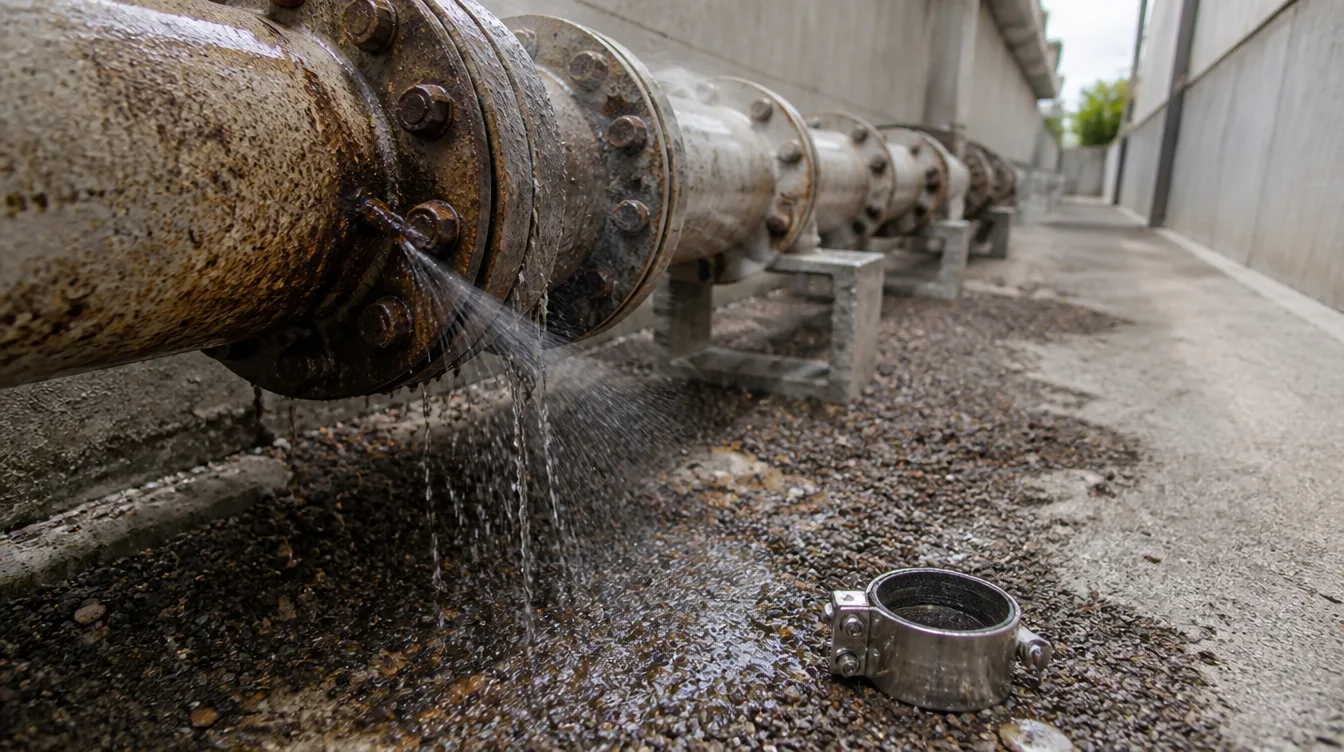
A technology used to search for water on Mars now helps find leaks under the asphalt. Developed by Israel's ASTERRA, the solution uses satellites and radar to identify signs associated with the presence of water underground and pinpoint spots where pipes may have burst.
The approach is already operating in Brazil. In Rio de Janeiro, Águas do Rio identified and repaired 1,161 hidden leaks with satellite support in 2025 alone. According to the utility, this prevented the waste of 21.8 billion liters of treated water. The operation combines satellite imagery, telemetry, more than 200 smart valves, and a center that monitors the network 24 hours a day.
Different technologies, one shared goal
The published numbers confirm it: technology operating at scale, with concrete results.
Brazil's Stattus4 takes a different path: acoustic sensors and artificial intelligence analyze pipe noise to identify possible leaks. According to the company, processes that used to take up to 180 days are now completed in about five. The technology has already been applied in cities like Curitiba, Cascavel, and Araxá.
Tokyo offers a different reference point. With leak rates historically close to 3%, the city got there by combining, over decades, network sectioning, pressure control, pipe replacement, and fast repairs.
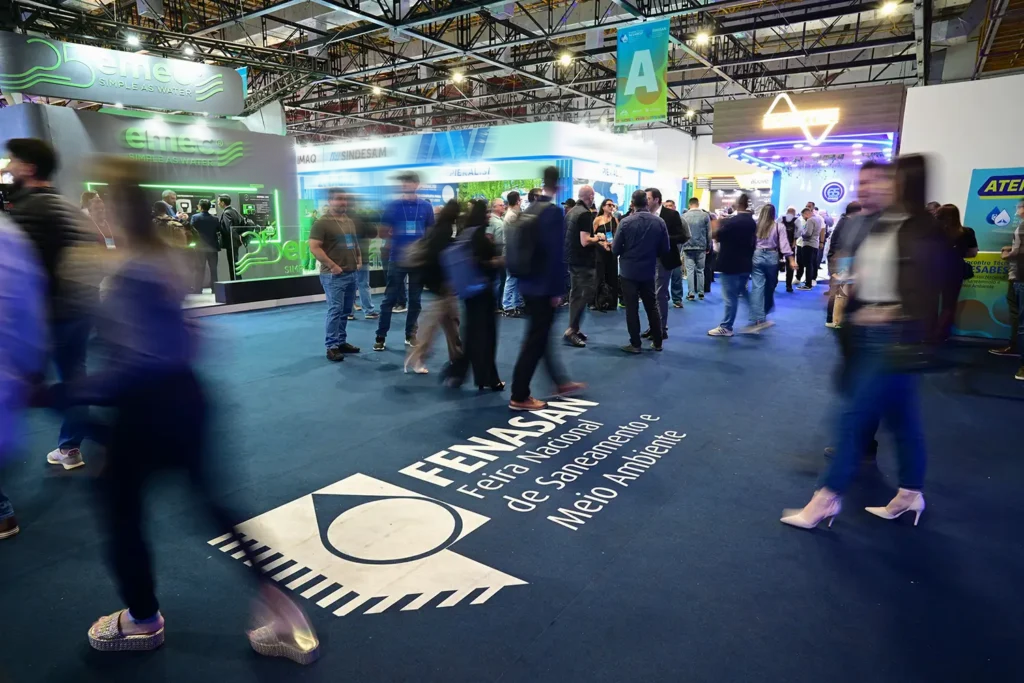
In April, Rio hosted Water Loss, an international congress dedicated to reducing water loss. Today, reducing losses is at the center of the discussion on water security and climate adaptation.
From an engineering standpoint, all of these initiatives pursue the same goal: making buried infrastructure visible.
“The satellite can already see the leak from space. What's still missing is for the rest of the operation to see it too: a reliable asset registry, an alert that turns into a work order, a repair confirmed in the field.”
The mechanics vary. Satellites detect signs associated with the presence of water underground. Acoustic sensors pick up noise patterns. Valves regulate pressure based on operational data. Together, these technologies help locate problems and guide field teams' work.
The principle is familiar to anyone who operates energy networks, distributed systems, or digital platforms: instrument, measure, compare expected behavior against observed behavior, and act when a deviation appears. In software development, this has a name: observability. In sanitation, it's still often treated as innovation.
The obvious question
Brazil recorded 39.53% water loss in distribution in 2024, according to a survey by Instituto Trata Brasil using SINISA data. The indicator combines leaks, measurement failures, and unauthorized consumption. The national target is to reduce that percentage to 25% by 2033.
If the technology exists, works, and already shows results in the country, why does the problem remain so large? Because detecting is only one step.
Before that comes data quality. Satellite, sensor, and algorithm data becomes useful when it can be cross-referenced with the network's asset registry, measurement history, and operational records. If every system shows a different version of the infrastructure, the diagnosis loses precision.
Then comes execution. The alert has to become a work order. The order has to become a repair. And the repair has to be confirmed in the field. Without that feedback loop, there's no way to know whether the occurrence was resolved, measure the result of the intervention, or improve the quality of future alerts.
Tokyo reached low leak rates by repeating that cycle, consistently, for decades. No single technology explains that result.
Modernizing sanitation starts at the foundation, before any cutting-edge equipment: a reliable asset registry, traceable measurements, integrated systems, and an operation where every alert has an owner, a deadline, and a recorded outcome. With that foundation, satellites, sensors, and algorithms stop being isolated projects and start expanding what field teams can do. They are, after all, the ones who keep fixing the network.
The good news is that we don't need to invent a new technology. The tools already exist, and the results are already showing up. The challenge now is turning information into operational routine.
About the author
Thiago Rondon
COO and CTO of Group Link One. He has worked for more than 25 years in software development, distributed systems, IoT, and large-scale data platforms.